
Blog
Stress Reduction for Longevity: A Pathway to a Healthier and Happier Life.
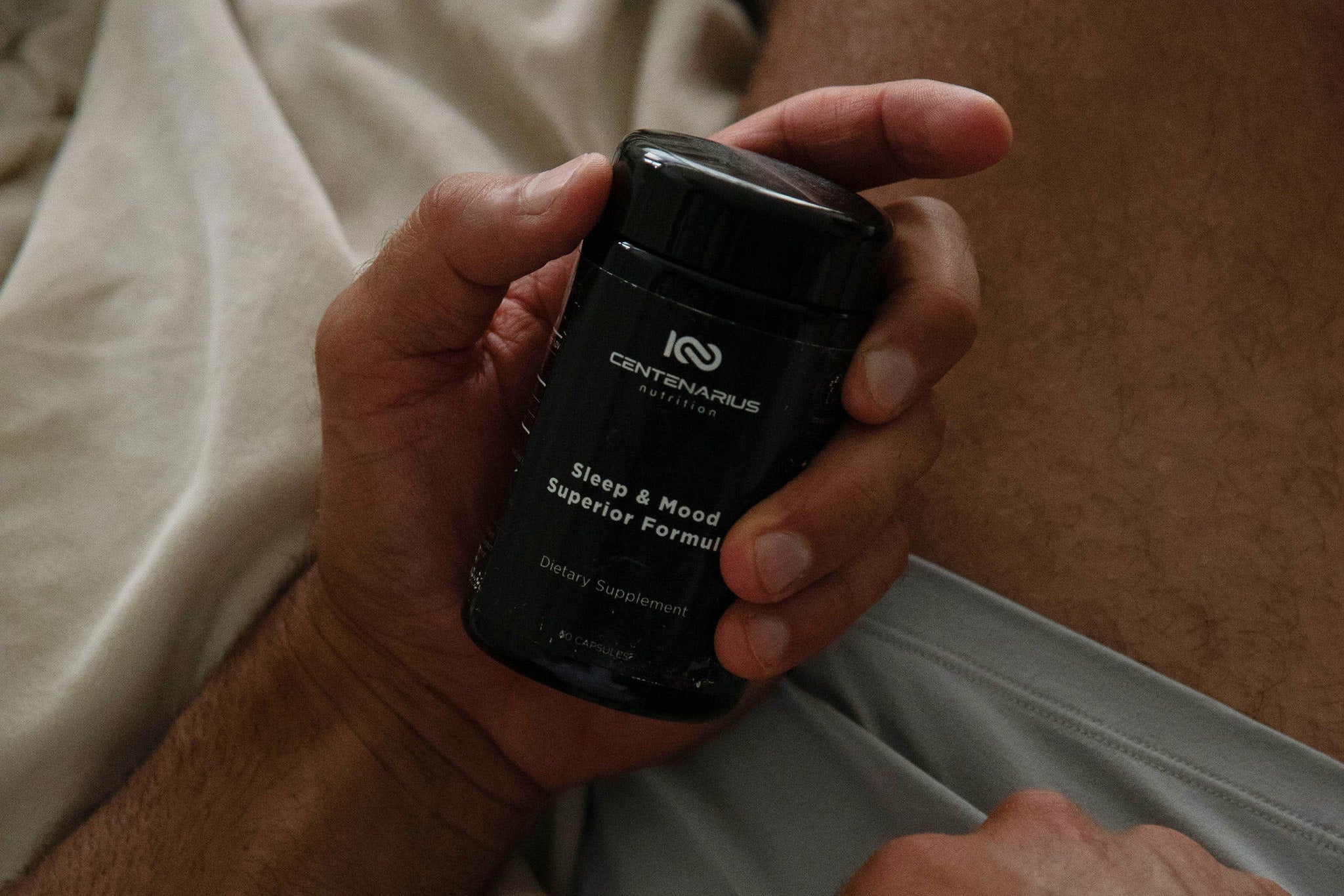
In today's fast-paced world, stress has become a common companion in our lives. While it's natural to encounter stressors, managing stress effectively can significantly impact our overall well-being and longevity. Chronic stress has been linked to various health issues, making stress reduction strategies essential for a long and healthy life. In this blog post, we'll explore the connection between stress reduction and longevity and discover practical ways to lead a more relaxed and fulfilling life. Understanding the Impact of Stress on Longevity Chronic stress can accelerate the aging process and contribute to the development of diseases such as heart disease, diabetes, and mental health disorders. It weakens the immune system and affects our ability to cope with life's challenges. By reducing stress, we can positively influence our lifespan and quality of life. Mindfulness and Meditation Practicing mindfulness and meditation techniques can help reduce stress and promote longevity. These practices encourage living in the present moment, fostering a sense of calm and tranquility. Regular meditation has been shown to lower cortisol levels, the hormone associated with stress, and improve overall emotional well-being. Exercise for Stress Relief Physical activity is a powerful stress reliever. Exercise stimulates the production of endorphins, the body's natural stress relievers. Whether it's a brisk walk, yoga, or dancing, finding a form of exercise you enjoy can significantly reduce stress and contribute to a longer, healthier life. Healthy Diet and Stress Reduction Eating a well-balanced diet rich in whole foods, fruits, vegetables, and lean proteins provides essential nutrients that support the body's stress response. Avoiding excessive caffeine, sugar, and processed foods can help stabilize energy levels and mood, reducing stress and promoting longevity. Cultivating Social Connections Maintaining strong social connections and nurturing meaningful relationships can buffer the effects of stress. Spending time with loved ones, engaging in social activities, and building a supportive network can provide emotional support and contribute to a longer, happier life. Quality Sleep for Stress Management Prioritizing sleep is crucial for stress reduction and longevity. Quality sleep allows the body and mind to recharge, promoting emotional resilience and cognitive function. Creating a bedtime routine, ensuring a comfortable sleep environment, and managing screen time before sleep can improve sleep quality. In the quest for a stress-free life, quality sleep stands as a cornerstone. Understanding its importance, we've developed the Centenarius Sleep & Mood formula, thoughtfully crafted to promote natural, deep sleep without dependency. melatonin-free solution crafted from the highest quality and patented ingredients. Japanese PharmaGABA soothes the mind, Korean SunTheanine enhances Alpha brain waves and reduces Beta brain waves, while TRAACS magnesium BisGlycinate calms the nervous system. By embracing the tranquility of restful nights, we enhance not just sleep but overall well-being. So, consider this formulation not just as a product, but as an ally in your pursuit of a calmer, healthier life. Designed for daily use, this formula empowers you to embrace each day with a well-rested and rejuvenated spirit! Conclusion: Embracing a Stress-Free Lifestyle for Longevity Incorporating these stress reduction strategies into your daily life can pave the way for a longer, healthier, and more fulfilling existence. By prioritizing mindfulness, exercise, healthy eating, social connections, and quality sleep, you can reduce stress and enhance your overall well-being. Embrace these practices, and you'll not only add years to your life but life to your years, savoring each moment with vitality and joy.
Learn moreCreatine for Longevity

Creatine is a popular dietary supplement among athletes and fitness enthusiasts due to its impeccably-established ability to improve athletic performance, increase muscle mass, and enhance exercise recovery. However, there is growing interest in the potential health benefits of creatine beyond its effects on physical performance, including its ability to promote longevity. Creatine supplementation has been shown to improve mitochondrial function, which is essential for maintaining healthy cells and tissues. Mitochondria are the powerhouses of the cell and are responsible for producing energy. By improving mitochondrial function, creatine may help to prevent age-related decline in cellular function and promote longevity. Chronic inflammation is a major contributor to many age-related diseases, including heart disease, Alzheimer's disease, diabetes, and cancer. Creatine supplementation has been shown to have anti-inflammatory effects, which may help to reduce the risk of these diseases and promote longevity. Recent study published in the Journal of Gerontology: Biological Sciences found that creatine supplementation improved cognitive function particularly in tasks that require short-term memory and processing speed. The study also showed that creatine supplementation increased the thickness of the prefrontal cortex, a brain region involved in executive function, which may help to protect against age-related cognitive decline. There is some evidence to suggest that creatine may help to protect against neurodegenerative diseases such as Parkinson's and Alzheimer's. This may be due to creatine's ability to enhance energy production in the brain. Sarcopenia, or age-related muscle loss, is a major contributor to frailty and disability in older adults. Creatine supplementation has been shown to increase muscle mass and strength, which may help to prevent or delay the onset of sarcopenia and promote longevity. Osteoporosis is a common problem in older adults, particularly in women. Creatine supplementation has been shown to increase bone density, which may help to reduce the risk of fractures and other bone-related problems. In addition, creatine has antioxidant properties. The compounds can clean up debris in our veins, arteries, etc to keep them healthy and functioning optimally. As you an see Creatine has lots of benefits for almost all body systems supporting which we can live healthier and longer life. To get the most benefits from creatine, you should take it every day. We recommend adding 3-5 grams of creatine to your daily routine. Give preference to the monohydrate form and choose only a trusted supplier. Centenarius Nutrition Creatine Monohydrate, being made of Creapure®, the brand name for the highest quality pure creatine monohydrate produced by Alzchem Trostberg GmbH in Germany. It is designed to help your body reach its full potential. Let’s face it, If a cell doesn't have adequate energy to function at its best, nothing else really matters.
Learn more7 Ways Sauna Can Help You Live Longer

Regular Sauna Use Can Lower the Risk of Death by as Much as 40% Heat therapy has been used for thousands of years in cultures worldwide. Ancient tribes were able to intuitively pick up on the benefits of our body's mechanism for perspiration – leveraging it for purification and well-being. In Africa, the first saunas were built to rid the body of disease. In Scandinavian and Eastern European cultures, saunas date back thousands of years – built to relax the mind and body. While these early saunas were primitive and rudimentary in design, the stimulating, therapeutic effects hold true and continue to be a cultural cornerstone. And now, science has pulled back the curtain to reveal a staggering number of benefits to regular sauna use. But, for the sake of this article, we’ll cover the 7 biggest ones. What Happens When We Step into a Sauna? When the body is exposed to intense heat, it triggers a cascade of physiological responses. Short, acute exposure to temperatures ranging from 113°F to 212 °F (45 °C to 100 °C) elicits mild hyperthermia (an increase in the body’s core temperature). This induces a process in which your body works to restore the balance among its systems needed to survive – also known as homeostasis. Research shows that a robust physiological response kicks in to achieve this, conditioning the body for future stress a.k.a building stress resilience. Some of the key responses in the body include the release of: Dynorphins (opposite of endorphins) Brain-derived-neurotrophic-factor (BDNF) Heat Shock Proteins Human Growth Hormone (HGH) There is now undeniable data showing that these mechanisms unlock a wealth of benefits associated with longer life, including cardiovascular, neurological and metabolic benefits. For instance, the Kuopio Ischaemic Heart Disease Risk Factor Study (KIPH) - one of the most prolific, ongoing cohort-based studies around sauna use - found among the 2269 middle-aged men from Eastern Finland an association between sauna use and a reduced risk of age-related health conditions. This includes cardiovascular and neurodegenerative disease, metabolic dysfunction and immunological decline. So, how exactly does getting really, really hot a few times a week help you live longer? Let’s take a look at the science. How Saunas Can Extend Your LifeSpan Supports Cardiovascular Health Regular sauna use can significantly lower your risk of cardiovascular death. Sauna triggers the same mechanisms in the brain and body that occur during cardiovascular exercise – with cardiac output increasing by as much as 70%. In order to cool down and regulate body temperature, heart rate and blood flow increase, along with vasodilation of blood vessels. Evidence suggests that regular sauna use decreases the risk of cardiovascular disease (CVD) in men and women. In the KIHD study, it was noted that the risk reduction was dose-dependent - With a 22% reduced risk in men who used it 2-3 times per week, and a 63% reduction when used 4-7 times per week. Protects against Neurodegenerative Disease Heat stress triggers the production of neuroprotective brain chemicals. During a sauna session, nerve cells release neurotrophic factor proteins such as BDNF, stimulating the production of new neurons, as well as jumpstarting the production of other brain chemicals necessary for brain health. A 2016 article published in nature.com, highlighted the connection between BDNF and Alzheimer’s – suggesting stimulation of BDNF has protective effects on the brain and is a ‘promising treatment’ against neurodegeneration. Dr. Rhonda Patrick goes into great detail on how BDNF delays brain aging by increasing neurogenesis and neuroplasticity – meaning sauna can be a promising strategy to keep your brain young and sharp. This may, in part, explain the associations that have been found between regular sauna use and reduced risk of dementia and Alzheimer’s. The KIHD studies revealed a significantly lower risk of developing conditions such as dementia and Alzheimer’s disease. Men who used the sauna 4-7 times per week had a 66% lower risk of developing dementia and a 65% lower risk of Alzheimer’s when compared to men who reported using it only once per week. Boosts Growth Hormone Sauna can help preserve muscle mass and protect the body against age-related muscle atrophy (sarcopenia) Human growth hormone (HGH) is a peptide responsible for cell growth and regeneration, driving the growth of muscle tissue, bone integrity, and fat oxidation. So, it’s no surprise biohackers and longevity enthusiasts salivate at the prospect of leveraging it for anti-aging. The reality is, as we get older, maintaining and building lean muscle mass, increasing bone density, and minimizing fat storage becomes an even higher priority – as these are important health markers for long life. Low muscle mass is associated with an elevated risk of all-cause of mortality, strongly suggesting its role in improving health and lifespan. And unfortunately, HGH starts to gradually decline in our 20s and 30s. However, the sauna can be an excellent tool to elevate HGH. In fact, one study showed that a sauna can increase HGH by up to 16-fold. In addition, the release of heat shock proteins helps repair muscle tissue, making it a good protocol for recovery after workouts. Improves Mental Health The Sauna is a highly popular tool to relieve stress and anxiety. The release of dynorphins and BDNF can play a role in healing anxiety and depression. Heat stress triggers the release of dynorphins which play a role in the thermal regulation of body temperature. The exact opposite of endorphins, these are responsible for signalling sensations of discomfort. Interestingly, this causes the body to become more sensitive to beta-endorphins – meaning it takes less stimulation to ‘feel good’ even when not in the sauna. This suggests that the sauna may be effective in fighting depression. BDNF has been shown to play a role in the pathophysiology of psychiatric disorders with low levels, or dysfunction, associated with depression. And many existing anti-depressants on the market boost BDNF in the hippocampus as potential means of treatment. There are some studies that have explored how saunas can help reduce symptoms of depression. In one randomzied control trial involving 28 individuals diagnosed with mild depression, those who received 4 weeks of sauna therapy experienced an improvement in symptoms such as anxiety and appetite. And to cite the KIHD studies once more, men who used the sauna at least 4 times per week also had a 77% reduced risk of developing psychotic disorders. Enhances Immunity & Stress Resilience Sauna also induces hormesis – enabling the body to build back stronger. The intense bout of heat releases heat shock proteins from our cells in response to stressful conditions. This is the process of deliberately introducing a mild stressor with the goal of creating just enough physiological damage to repair and become even stronger than previously – similar to the process of building muscle. These play an important role in bolstering our immune function. One 2013 study demonstrated that just a single sauna session, and the subsequent release of shock proteins, increased white blood cell, lymphocyte, neutrophil, and basophil counts in both trained and non-trained athletes. Research also suggests that specific heat shock proteins play a role in activating our existing immune system responses, such as natural killer cells. Lowers Inflammation Sauna has been shown to reduce markers of oxidate stress - a source of inflammation. It is widely accepted that inflammation is a key driver behind chronic diseases. The release of heat shock proteins helps elevate glutathione levels, which plays a pivotal role in many functions including reducing oxidative stress and fighting inflammation. A study involving 2084 men aged 42-60 who participated in regular sauna bath sessions found it led to a significant reduction in C-reactive protein (a leading blood marker of systematic inflammation). With 4-7 times per week yielding the best results when compared to less frequent sessions. Boosts Mitochondrial health Sauna boosts mitochondria synthesis – the most essential cells for longevity and energy production. The fundamental blueprint for anyone on a quest to maximise their lifespan is to boost mitochondrial health. This is because mitochondria dysfunction is a root cause of ageing. So, by preserving the integrity of mitochondria cells, and creating new ones, it may help extend one’s lifespan. And in one study, just 6 days of heat stress increased mitochondrial function by 28% How Long, How Hot and How Often? As the bulk of the evidence indicates, frequency is key. For general health (and longer life), try to get in 2-4 sessions per week. The optimal temperature should be anywhere between 80-100 ℃; 176-212 ℉. To leverage the benefits of growth hormone release, you’ll have to resist temptation and use it infrequently - once per week or less. According to the peer-reviewed literature, you should undergo 30-minute intervals with cool-down periods in between. For instance, 30 minutes of sauna, followed by a 5-minute cooldown, then 30 more minutes, cool down again. Then repeat a few hours later in the day. That’s four 30-minute sauna sessions in one day. What if I Don’t Have access to a Sauna? The sauna can be something of a luxury for many people. Or simply can’t find one within their proximity. However, the sauna is just one of many scientific levers you can pull to optimise your health and stay young, and liver longer. For instance one of our best-selling products, Glycine, produces similar longevity-enhancing benefits. Like boosting glutathione (critical in fighting against free radicals caused by oxidate stress ); playing a key role in phase II liver detoxification; promoting deep, restful sleep for optimal cellular repair; enhancing brain function, and a lot more you can read about here. Conclusion The longevity benefits of sauna are strongly supported by the literature and even just two 30-minute sessions per week can yield fantastic general health benefits to increase your lifespan. If for whatever reason, you cannot access a sauna, you can harness similar benefits for longevity through protocols like hot and cold showers, fasting, exercise and specific dietary supplementation (like the longevity-based supplements we source at Centenarius Nutrition).
Learn moreSleep & Mood are connected
Do you suffer from poor sleep or no sleep? If you find yourself stressed during the day and at your wit’s end, it may be the reason why getting a good night’s sleep has become hard for you. The reverse is also true. Our ability to catch a good eight hours of sleep affects our mood the next day. Whether or not we acknowledge it, our sleep and mood are connected. Many studies have established that stress, anxiety, and depression affect our ability to sleep and vice-versa. If you want to wake up feeling refreshed, have more energy, and get better sleep, it may be time to look at supplements that can improve your mood and your resilience to stress. In the following article, we take a closer look at sleep, our mood, and the connection between the two. We also examine a supplement that can improve our overall well-being so that you can enjoy better quality rest and wake up feeling ready to seize the day. Why Is It Important To Get Enough Sleep? There are many reasons why good sleep is important. Perhaps the most important reason of all is restful sleep leads to a longer life. Let’s review the benefits of good sleep: Better Physical Health Studies suggest that sleeping for less than 6 hours a day can lead to obesity, diabetes, kidney problems, high blood pressure, and cardiovascular diseases. In extreme situations, it can also lead to a stroke! If you’re trying to be fit and improve your physical health, lack of sleep can seriously hinder your progress. This is because sleep helps to balance the hormones known as ghrelin and leptin. They make you feel hungry and satiated. If these hormones are unbalanced due to lack of sleep, your appetite can drastically increase and cause you to eat more. In fact, your chances of becoming obese increases by 41 percent. In addition, sleep affects how your body processes insulin. This is why lack of sleep can cause your blood sugar levels to shoot up and can put you at risk for diabetes. That’s not all. Without the right amount of sleep, your immune system becomes compromised leaving you vulnerable to common infections and illnesses. Add to the list the lethargy and grogginess that accompanies sleep deprivation and you’re less likely to stick to your workout regime. Concentration and Stamina Have you ever noticed how after a poor night’s sleep you find it harder to concentrate and perform your regular activities? That’s sleep deprivation and it can get worse if it continues for days or weeks. If you don’t get enough sleep, it will affect your productivity and performance. You may take longer to do certain tasks due to impeded brain function and a slower reaction time. Plus, you’re also more prone to making mistakes if you haven’t slept well. Not to mention that correcting these mistakes can further affect your productivity and output. Another unwanted side effect is microsleep or brief moments of sleep that happen while you’re awake but your brain momentarily “shuts down.” As you can imagine, this is extremely dangerous. According to the National Highway Traffic Safety Administration, there are around 100,000 car crashes, almost 800 deaths, and around 50,000 injuries each year due to people who are too drowsy to drive. Improves Neurological and Emotional Well-being Sleep enables your brain to function properly and prepare for the day ahead. A good night’s rest is, therefore, essential if you want to learn new things and retain information better. It also enhances your problem-solving abilities, attention, and creativity. You can feel emotionally low if you haven’t slept well. Anger, irritability, moodiness, lack of motivation, depression, impulsivity, and stress are all linked to less sleep. If you wish to be happier and healthier, you should be clocking in 8 hours of sleep. If you’re struggling to sleep, it may be due to underlying factors like your mood. How Does Your Mood Affect Sleep? While sleepless nights can affect your mood and make you feel negative, angry, and irritable, the reverse is also true since moods and emotions can affect sleep. We live stressful lives and it’s no secret that stress and anxiety can lead to sleepless nights. If you’re worried or stressed about something throughout the day, it’s likely to cause “mental hyperarousal” (a heightened state of anxiety) at night which can result in insomnia. Even if you manage to doze off, you may not get quality REM (rapid eye movement) sleep which can make you feel irritable and tired the next day. It can be a vicious cycle when your mood and sleep are poor. Stress and anxiety can lead to insomnia which can aggravate physical and mental problems, thereby worsening any anxiety. How can you cope with these problems while promoting better quality of life and longevity? Let’s have a look. How to Promote Overall Well-Being You can improve your sleep and mood by making lifestyle changes that include: Adopting a routine sleep schedule Meditation Exercise Decreasing caffeine and alcohol intake Warm baths Healthy foods Getting enough sunlight and vitamin D These measures can help restore your circadian rhythm and natural sleep cycle. You can also take natural supplements like Centenarius Sleep & Mood Formula to boost your resilience to stress and improve your mood which will help you get better, natural sleep. About Centenarius Sleep & Mood Formula The Sleep & Mood Formula by Centenarius Nutrition is a clean, and innovative formula. It uses only the highest quality ingredients to help you get the peaceful sleep and mental calmness you need for Longevity and Wellbeing. The Revolutionary Formula consists of four ingredients that work together so you can enjoy: Peaceful, restorative sleep Enhanced recovery so you wake up feeling rejuvenated, refreshed, and energetic Mood enhancement and UpLiftment - feel relaxed so you can fall asleep faster Mental clarity and calmness for better focus General health and well-being without risk of addiction Boost Productivity Let’s take a look at what makes it so effective during the day and night: SunTheanine SunTheanine is our patented form of L-theanine — the chemical that naturally occurs in green tea and helps with relaxation. SunTheanine is produced through a fermentation process to mimic the effects of green tea. It has a calming effect that boosts energy and focus. It helps you remain alert and concentrate better when taken during the day. At night, its relaxing effect allows you to get good, quality sleep and wake up refreshed and rejuvenated the next day. Pharma Gaba Gamma-aminobutyric acid (GABA) is a calming neurotransmitter that helps you remain calm, peaceful, and tranquil. It allows you to sleep better while making it easier to focus and concentrate during the day. It also promotes the development of lean muscle mass when you workout. Cleanmood Cleanmood is an organic 5-HTP (hydroxytryptophan) ingredient and a precursor to the brain’s serotonin production that responsible for regulating “happy” mood. It also supports healthy weight management, sleep, stress control, and better sleep. It is a water soluble, plant-based, organic, and vegetarian ingredient that promotes better health. TRAACS Magnesium Bisglycinate Chelate The magnesium bisglycinate chelate we use in our formula is the most bioavailable form of magnesium. Magnesium deficiency is dubbed the “invisible deficiency” since up to 20 percent of Americans are believed to have low magnesium levels. Magnesium plays important role in your nervous system helping to activate mechanism that quit and calm you. This essential mineral is used by your heart, muscles, and kidneys. It’s extremely important for your overall health. To promote longevity, Centenarius Nutrition uses an easily absorbable form of magnesium so your body can process it, use it, and benefit from it. Conclusion Centenarius Nutrition believes that simple lifestyle adjustments can have huge benefits to your longevity and quality of life. Supplements like our Sleep & Mood Formula can help you make holistic changes since it supports good rest and mood. Our science-backed formulation and high-quality ingredients are designed to promote deep sleep, enhance recovery, and support a positive mood while increasing focus and mental clarity.
Learn moreProtein for Longevity
There is no doubt that our body changes naturally with age. For example, the high risk of chronic diseases, loss of appetite and decreased metabolism are few factors that every person faces with increasing age. There is nothing you can do to stop aging, however, lifestyle changes play a vital role in impacting the rate at which these changes occur, so you can age with grace and vitality. While carbohydrates and fats are your enemies in providing a healthy lifestyle, protein is the nutrient that acts as an anti-aging agent for your body. It decreases the risk of conditions, such as osteoporosis. It controls blood sugar levels and aids in maintaining a healthy immune system. Protein not only helps in muscle growth and weight loss, but it is also popular for decreasing the anti-aging effects. With ever increasing advancement in health technology, nutrition and medicine, people are more aware and health conscious now. Now people know that it is necessary to have a high protein diet along with whey protein supplementation to achieve and maintain a lean body mass. Let’s discuss some of the prominent benefits of a high protein diet and how it helps in maintaining your health, thus keeping you young and fit. Protein for Healthy Nails, Hair and Skin In our body almost every cell is made from the protein building blocks, for example, muscles, bones, skin and hair. Protein comprises of amino acids, including L-proline and L-lysine, which help to produce collagen. Collagen provides structure and strength to the skin but it breaks down with age. This results in pronounced wrinkles, dehydrated and saggy skin. When you have sufficient protein in your diet then this manages your collagen levels, making your skin less prone to wrinkles and firmer. In the same way, lack of protein can lead to hair loss and extremely thin nails. There are several amino acids that come from quality protein sources and your body does not produce them naturally. Protein shakes, such as Centenarius Protein is an important source of protein that can fill your nutritional needs easily. It contains chains of amino acids that help support thicker hair and glowing, firm and healthy skin. Prevent Osteoporosis As you age, you lose the ability to uphold strong muscles and bones effectively. According to a study, adults who do not consume enough protein are more likely to have a substantial loss of bone density, specifically in their spines and hips. A protein rich diet is the easiest solution to have healthier muscles and bones. This research was conducted regarding protein and healthy aging and was published in the American Journal of Clinical Nutrition. The study concluded that those who had protein-rich diet were able to stop osteoporotic fractures and speed up the bone fracture healing process. Not only this, whey protein decreases the impacts of chronic illness. Apart from taking protein through meat, you can consume whey protein shakes, such as Centenarius Protein as it comprises of all the essential amino acids that act as building blocks for your body. Those who are experiencing health issues linked with muscle wasting can slow down its progression by consuming whey protein. Protein that is consumed from plants is incomplete and does not have enough protein when compared to dairy proteins that have all the nine amino acids. Whey protein is one of the dairy protein that you must have in your daily diet to achieve health advantages. Protein Helps to Boost Cognitive Abilities When you take an ample amount of protein in your diet, this aids in maintaining your brain functions as well as boost your mood. There are specific amino acids that are required to control your mood and balance hormones. Those who lack the key amino acids experience increased anxiety, mood swings and weakness. As per the US Institute of Medicine, Protein manages our hormone levels effectively, including serotonin and dopamine that make you feel good and keep you calm. In order to focus and concentrate properly, our brain needs a continuous supply of amino acids which you can obtain from whey protein. As per the studies in the American Journal of Clinical Nutrition, if you want to improve your cognitive performance then you must consume whey protein. In addition, protein is helpful in stabilizing glucose in your blood, thus it prevents craving due to increased sugar levels. Protein is an Immune System Booster Whey protein consists of a tri-peptide, known as Glutathione that serves as an anti-oxidant and deals with immunity. Our body has Glutathione that occurs naturally in the cells of amino acid. The function of glutathione is to strengthen telomeres in our DNA that generally weaken as we age. The production of glutathione decreases with age and old cells contain much lesser glutathione as compared to new cells. If you take glutathione supplements directly, it will provide you no benefit. However, as concluded by different studies the most effective way to uplift glutathione levels is through the consumption of whey protein. Centenarius Protein is a high quality whey protein shake that has the highest glutathione precursors, including and active peptides, immunoglobulins, lactoferrin and glutamylcysteine. Protein Fights With Chronic Illnesses As you age physically, it becomes easier to develop life-threatening health conditions. For example, if you are obese, then there are higher chances to get diabetes. You can decrease this risk by consuming whey protein as it aids in losing weight. A diet that contains whey protein can manage glycemic levels and accelerates insulin releases. Besides, whey protein also helps in reducing the risk of heart diseases and stroke. A study was conducted where it was proved that intake of whey protein decreases the chances to get life-threatening health issues, improves vascular functions and aids in lowering blood pressure. With increasing age, your body is subject to the natural effects of bone and muscle weakness. However, with the intake of protein-rich meals, you can deal with these effects.
Learn moreWhat are the Effects of Glycine on Cognitive Function?
As one of the hardest working neurotransmitters in our bodies, Glycine gets surprisingly little airtime. Very few of us even know what glycine is, so let’s dive into the basics: what glycine is, and its role in the body. Continue reading to learn more. What is Glycine? Glycine is an amino acid that is found in many protein-rich foods, as well as made by the body itself. As it stimulates the production of serotonin, it is used to treat many disorders, such as insomnia, schizophrenia, and stroke. The benefits of glycine for treating symptoms are clear but, what does taking it as a supplement achieve in everyday life? The Benefits of Taking Glycine Memory The area of the brain that glycine is active in – the hippocampus – is important for learning and memory. When taken as a supplement, glycine has been shown to improve memory recall by binding to a modulatory site on the NMDA receptor complex, increasing its function. In place of more common solutions such as caffeine, glycine could be the perfect supplement to increase focus. Sleep Studies have also shown the benefits of glycine on sleep. Not only does it speed up the falling asleep process, but has also been shown to improve cognition in the daytime too. As a treatment for insomnia, glycine benefits the quality of sleep. As sleep is more efficient, those who use it feel less drowsy and more alert during the day. Anxiety Reduction Glycine also promotes the production of noradrenaline, a chemical that the body releases when under stress. So, taking glycine powder can help to reduce feelings of anxiety, as the body is ‘tricked’ into a state of calm. Promoting inhibition in the brain, which is essentially the technical term for that calming effect, glycine is crucial in maintaining balanced activity in the neural system. These cognitive benefits of taking glycine are just the tip of the iceberg, as there are benefits linked to digestion, the building of muscle mass, and healthy blood sugar levels. Its taste is sweet like sugar and so can be used in its place; it even has anti-aging properties! A tiny, but crucial engine in our bodies, glycine is the simplest amino acid that we would be in chaos without. Taking it as a supplement is becoming increasingly popular, as its boundless benefits are becoming more well known. But, that also means there are countless producers, which makes choosing one brand difficult. But, which is the best glycine supplement out there? Made in Japan and of the highest quality, the Centenarius Nutrition powder is the most premium on the market. Vegan, additive-free, and tested for heavy metals, this health supplement could transform your cognitive abilities. glycine benefits 4400, what is glycine 1600, glycine powder 880, best glycine supplement 480, benefits of taking glycine 30
Learn moreSleep for Longevity
Are you used to pulling all-nighters for work or college? Is sleep no longer your priority as you strive to get work done in the incredibly fast-paced world of today? If you answered Yes to any of these questions, let us tell you – Me too! Unfortunately, as work extends to overtime and college kids are hit by assignments and quizzes every other day; the sleep schedule is bound to become a mess. But here’s why you need to catch up on those 7-9 hours of required sleep every night: Sleep matters for longevity! Sleep and a Longer Lifespan: Is there a connection? We know what you’re thinking. Better sleep leads to a longer life – how absurd is that notion? But we are here to tell you as weird as it may sound, there is a connection between the level of shut eye your body gets every day, and the number of years you are expected to live. The connection is slightly indirect. For example, a study was conducted at the Archives of Internal Medicine. Among the 153 men and women who participated, it was found that those who did not sleep enough (i.e. slept less than 7 hours at night) were 3 times more prone to developing a sickness than the ones who had enough sleep (at about 8 hours). Therefore, lack of sleep disrupts the immune system, which in turn bears adverse impacts on our health and lifespan. Our Bodies Work Even When We Are Fast Asleep Just as you need a break in a 9-hour work shift to refresh yourself to depict greater productivity, your brain needs a break from working all day, every day – and that break comes as a way of sleep. However, don’t think your brain stops working when you’re asleep; it works then too! When asleep, our brain gets the time to recharge itself, fix the imbalances, optimize metabolic rates, and start afresh the next day. If you don’t gain sufficient asleep – as is the case with one-third of the U.S. adult population – your brain doesn’t recharge to allow your body to perform better; thus, putting you at risk of a reduced lifespan. The Importance of Sufficient Sleep Unfortunately, we are currently living it the age when any sleep time before 2 a.m. seems unacceptable and having no free moment is just the way it is. Well, this is not how it should be. Your body really needs sleep to function well and maintain a healthy lifespan. Here’s how: Human Growth Hormone – the fountain of youth! Humans have an important hormone, called the growth hormone, that is highly active during our initial part of sleep (delta stage). This is when this hormone is highest in production, and is then used for bodily restoration, building lean muscle tissue, and giving you the energy to be active. Unsurprisingly, this hormone is also called the fountain of youth. This means, if you’re hoping for a well-functioning body that defies age, you need to be getting enough sleep so the hormone can gain momentum. REM Sleep Prevents Neurological Diseases Our sleep goes through a number of phases. Of these, REM sleeps (or Rapid Eye Movement) is when you’re in your deepest state of sleep. It is in this phase that the most happens with your brain. Blood circulation and oxygen levels rise, and the brain’s tissue continues to absorb amino acids. This helps prevent major diseases, including neurological disorders like Alzheimer’s, in the future. Prevention from diseases of course hints towards longevity! Sufficient Sleep Means Lesser Accidents! Have you observed what happens when you don’t get enough sleep? Simple, you just can’t keep your eyes open. This means lesser concentration, lesser energy, and thus a greater probability of messing up somehow. In fact, a study discovered that people who slept for 6 hours or less a night, were 33% more likely to be involved in a car crash. On the other hand, those with sleep levels within the 7 hours or more category only made up 9% of total motor vehicle crashes. The Phenomena of Beauty Sleep Exists When talking about the importance of sleep, let’s not forget the benefits it bears for our skin – redefining ageless beauty. Alas, longevity shouldn’t just mean a longer life, should it? As we age, our body develops free radicals that damage our skin. However, during sleep, these free radicals are destroyed while more skin cells are produced and repaired to make your skin truly nourished. Get Your Sleep Routine Sorted Now you know how important sufficient sleep is for you and your long life. However, it begs the big question: How do I get my sleep routine sorted? It’s not so difficult. Set your workout long before your sleep time If you’re used to working out before sleep time, you should change that now. Have no meals nor indulge in intense workout just before going to sleep. Keep the screen away If you’re facing a hard time falling asleep even after hitting the bed, maybe it’s because you haven’t turned off your tv or put your phone away yet. The blue light from these screens mess with your circadian rhythm and prevent sleep. Make it a habit to keep all screens away and switched off when going to bed. Dim the lights It’s not just the blue light, but bright lights too! Set the mood before going to bed to allow sleep to come easily. Dim the lights, or completely switch them off. Have your meal early, and with Protein! While you should have your meal way earlier than your sleep time, we ask you to include Protein in your dinners for an effective sleep. It is thought that consuming just the right amount of protein results in minimally disrupted sleep, and improved sleep quality! Protein Before Bed We’ve just said having a protein dinner is good. But how? Shouldn’t it make you feel fuller, and less able to sleep? Actually, foods with a high number of calories, sugar, and fat disrupt sleep routines. Conversely, people who consume more fiber and protein at night are able to fall asleep and stay asleep! This means no waking up needlessly in the middle of the night, and instead obtaining the best sleep you ever had. But, this doesn’t mean you begin to consume bacon, turkey, or a heavy chicken meal before bedtime. What you need is something light but full of protein. You need a Whey Protein Shake by Centenarius Nutrition. Whey is the Way to Go You must have heard that bodybuilders like to consume a whey protein shake just before bed. They do this because protein in the form of a whey shake is easy to digest, contains natural sleep aids (bioactive milk peptides), and helps your body produce antioxidants. This helps build muscle, maintain immunity, and promote longevity. Do you want a longer life? Do you want an improved sleep routine? End your day with whey protein shake, and all else will follow.
Learn moreFasting for Longevity
Fasting and Longevity After periods of stringent diets and rigorous workout routines, many people turned to fasting as a way to lose weight when the trend of Intermittent Fasting took over. Little did they know, in the shape of broken fasts and time-based eating, they had possibly found the elixir of life. What is Intermittent Fasting? First things first, to understand the vitality of intermittent fasting, the basics of this form of time-based eating must be understood. Intermittent Fasting is an eating pattern that revolves around periods when you are observing a fast from eating, to the time when you break your volunteered fast to re-energize yourself with food. Major Categories Very different from dieting, Intermittent Fasting is patterned eating. Thus, it focuses on the cycle of eating followed by non-eating, and so on. There are different methods of intermittent fasting. Some of the popular ones include: Alternate Day Fasts Consider this like following a diet plan, with every other day being a cheat day. You can pursue a calorie-restricted diet on one day (fast), and then follow it up with a regular meal day. Time-Restricted Feeds This involves restricting eating food to some limited hours of the day, while the remaining duration is spent as a fast. For example, the 16:8 intermittent fast plan involves 8 hours of eating followed by a 16-hour fasting window. Day Fasting Plans These include a few days of the week when you can decide to fast or follow a stringent diet plan. While the remaining days are spent with regular meals. An example is the 5:2 intermittent fasting plan. This includes 2 days of the week for fasting while regular meals resume for the other 5. Intermittent Fasting: The New Path to Longer Lives? While intermittent fasting was known to reduce weight and help the digestive system; recent studies are saying it might just be the way to increased lifespans! Yes, has been shown in several studies. An act as simple as fasting might just be what you needed to enjoy longevity. many factors contribute to this. Increased Antioxidants A calorie restricted diet and intermittent fasting result in reduced oxidative stress, thereby slowing down the speed of the aging process. Our body has free radicals, endogenous and exogenous, that wreak havoc by damaging cells, proteins, and DNA. In contrast, the antioxidants in our body assist in countering these damages and neutralizing the harm. Reducing our regular calorie count by intermittent fasting helps increase antioxidants and reduce free radicals; thus, promoting health and longevity. Improved Cardiovascular Health One way to a longer life is by straying far from illnesses. This is exactly what intermittent fasting achieves. A study revealed that people who followed the 2:5 intermittent fasting plan (restricted calorie diet for 5 days of the week) for 3 months, witnessed improved cardiovascular health. This was due to lower blood pressure and cholesterol level, as well as a drastic decrease in blood sugar. Reducing the probability of chronic diseases, as well as those related to aging, intermittent fasting promotes health. Induced Autophagy While it may sound complicated, Autophagy simply refers to an inner cleanup in the body. Over time, our body’s cells accumulate many molecules inside them, several of which are damaged and/or harmful. Autophagy is when these damaged molecules are cleaned out. A study in 2019 included 11 obese adults who followed the time-restricted feed method of intermittent fasting for 8 days. In the initial 4 days, they consumed food from 8 am to 2pm, while fasting the rest of the day. In the next 4 days, they ate during 8 am to 8 pm. The study concluded a positive relationship between intermittent fasting and autophagy. Therefore, hinting that autophagy and an inner cleansing could be induced by intermittent fasting for healthier, longer living. In addition, autophagy also prevents against tumor development and several cancers. The transition to ketone-based energy If you have ever pursued a ketogenic diet, you probably know the mechanics behind it. We limit consumption of carbohydrates and sugar, so the body begins to derive energy from ketones, instead of breaking down glucose, as its reservoirs diminish. Similarly, intermittent fasting results in a transition from deriving energy from glucose to deriving it from ketones. A study included time restricted feed, observing 6 hours of food consumption followed by an 18 hour fast every day. It was found, that as the source of energy drifted to ketones, this enhanced longevity and prevented major illnesses such as cancer. With several health benefits, perhaps it is not wrong to consider intermittent fasting as another resolution for the year, for longevity. The Importance of a Suitable Calorie Restricted Diet When you eat, matters; but what you eat, matters even more! You may have realized that despite intermittent fasting being merely a cycle of food consumption, the emphasis lay on eating a low-calorie count meal. This means, if you fast an entire day and break your fast with 2 cheeseburgers and a molten lava cake later – maybe this might not be the right way to achieve longevity. What you need is a good, filling, calorie-restricted diet that not only fulfills your nourishment needs, but also keeps you energized throughout the fasting period. Protein is the Way to Go Indulging on sugars and carbs is not as healthily beneficial as one would like them to be. Therefore, the safest (and most delicious!) bet is to go the protein way. No, we don’t mean a run to the kitchen to whip up loads of bacon or other meats. Instead, the Non-GMO, Grass-fed and pasture raised whey protein, courtesy of Centenarius Nutrition is the way to go. Not Just Another Protein Shake Unlike the protein shakes filled with artificial sweeteners that you may find in the market; this Grass-fed whey protein powder is a wholesome meal to keep an intermittent fast. Clean, heavy-metals tested, and hormone-free, the Centenarius protein powder is synonymous to health and nutrition. Get Your Protein Powder Today, and begin the Fasting Experience If you are thinking of adopting intermittent fasting for longevity, get your Centenarius Whey Isolate today. Mix and match in a drink of your liking and enjoy something new, every time you fast. Protein for health – Protein for Longevity!
Learn moreProtein Deficiency
Protein deficiency is a disease associated with insufficient intake and absorption of protein or its increased breakdown. A true protein intake deficiency can develop in people who have been malnourished, those who follow so-called mono diets, vegetarians, and people over 60 years. Secondary protein deficiency associated with its increased breakdown can accompany a number of diseases, such as severe forms of infectious diseases, burns, kidney disease, hereditary metabolic disorders. Protein is the basic building material of the body, so even mild forms of deficiency, which are asymptomatic on the surface, affect the ability to resist infection or the speed of wound healing, slow the growth of nails and hair, or cause dry skin. Severe protein deficiency can disrupt the normal function of all organs and systems. External Manifestations of protein deficiency: general weakness; progressive weight loss; hair brittleness, dullness, and loss; brittle nails; dry and flaky skin; edema. Manifestations on the nervous system’s part: drowsiness and increased fatigue; headaches; decreased mental activity; unstable mood; insomnia. Manifestations on the musculoskeletal system’s part: muscle pain and, less frequently, joint pain; stunted growth (in children); decreased mass and visible volume of muscles; muscle weakness. Manifestations on the digestive organs’ part: increased craving for sweets; diabetes mellitus due to increased breakdown of protein; nausea; abdominal pain and bloating; altered defecation pattern; enlarged liver. Protein is one of the basic nutrients that perform the following functions in the body. Construction – protein is part of all cells of the human body; it is the basis for the existence of life. Aesthetic – proteins are involved in the formation of hair and nails, form the protective covering of the eye, cartilage, tendons and ligaments. Even something as smooth as skin is directly dependent on the protein it contains. Motor and contractile. Protein is the main component of muscle tissue that makes it work. Transport. Many proteins are able to bind to nutrients in the blood and transport them to organs and tissues. An example of a transport protein is hemoglobin contained in red blood cells (erythrocytes), which carries out oxygen transport. Protective. The body produces specific proteins (antibodies) that provide protection against microorganisms and viruses. Enzymatic. Enzymes are proteins that are involved in all chemical processes in the body (for example, in the digestion of food). Hormonal. Most hormones in the human body are proteins. Proteins are complex substances that, like a chain, consist of links called amino acids. The sequence of amino acids is individual for each body, so the protein that comes with food in the process of digestion is broken down to the level of individual links, from which it then composes its own sequence. Some amino acids can be formed in the human body, while others (also called essential amino acids) come only with food. The role of essential amino acids is so great that without them protein formation becomes impossible. If any essential amino acids are missing or not absorbed in the diet, the balance between protein breakdown and synthesis can shift toward breakdown and lead to protein deficiency. Impaired absorption of essential amino acids is a hereditary pathology. The following diseases are the most significant in the development of chronic protein deficiency. Phenylketonuria is the disorder of amino acid phenylalanine metabolism. Phenylalanine is involved in the formation of almost all proteins in the human body, especially the proteins of the nervous system. The disease is characterized by an absence or insufficient level in the liver of a special protein (enzyme) responsible for the assimilation of this amino acid. As a result, there is an excessive accumulation of it in the tissues. Tyrosine exchange – tyrosine is an amino acid necessary for the formation of one of the main protein pigments of the human body, melanin, therefore, albinism (pale skin, discolored hair and iris) is one of the manifestations of its disturbed metabolism. Tyrosine is also required for the formation of thyroid hormones. The correction of protein deficiency starts with replenishing protein volume and normalization of protein metabolism. One of the best ways to accomplish this is by supplementing with the Grass Fed Whey Protein Isolate. For this reason Centenarius Nutrition developed the most clean source of Protein using revolutionary ice cold cross flow micro-filtration that removes all fat, carbs and lactose ensuring a non bloating and ultra digestible form of protein.
Learn moreBenefits of Whey Protein
Why should you go for Whey Protein Isolate? Protein supplements have become quite popular amongst health and fitness trainers who are striving to make their bodies look great. While adding fibers, carbs, meat and veggies to your diet is essential, protein is another crucial nutrient your body needs to repair cells, makes enzymes and other chemicals. One such protein that is useful for muscle growth is Whey Protein. There is a variety of supplements available in the market but Whey Protein supplement is one of the effective nutritional supplements that’s associated with many benefits. What is Whey Protein? Milk consists of two proteins: whey and casein and both of them are byproducts of cheese. During the production of cheese, enzymes are added into the milk. As a result, the casein present in milk solidify to form a curd leaving a liquid substance i.e. called Whey Protein. Whey contains 9 essential amino acids that is easily digestible and absorbable into your body. Types of Whey Protein Whey can be filtered further into different forms: hydrolysate, concentrate and isolate. Out of which, whey protein Isolate is highly pure and contains the highest amount of protein content with zero fat since Whey isolate has to undergo various filtering techniques. It’s a perfect choice for those who want to reduce carb, lactose and fat intake. When the liquid is separated from the curd and processed, there are methods to increase the percentage of protein. Once the percentage of protein reaches 80%, it’s converted into powdered form called whey protein concentrate (WPC). The remaining 20% contains carbs and lactose. The whey protein concentrate is sweeter in taste due to increased levels of lactose and calories. This factor will not be suitable for people who are lactose intolerant and have stomach problems. Another type of whey protein is protein hydrolysate. They are formed by the process of hydrolysis in which some amino acids break down when they are exposed to enzymes and heat. The body is able to absorb protein hydrolysates almost as quick as Isolate protein and increases the speed of delivery of the amino acids to your muscles. Whey Protein Isolate vs Whey Protein Concentrate Whey Protein Isolate contains higher concentrations of protein as compared to Whey Protein concentrate. Whey protein isolate is made up of 90% of protein so there is a higher ratio of protein to calorie, which is optimal. On the other hand, Whey protein concentrate supplements have only 30%-80% protein content. Therefore, it’s not the purest form of protein, nor the cleanest. The protein is typically used in consumer goods such as chocolates, beverages, snacks and shakes. Professional Athletes and trainers use Isolate because it contains fewer amounts of impurities and those who are allergic to lactose can chose isolate whey protein for consumption. The taste also varies according to the protein type. Isolates make a smoother protein smoothie and have a less sweet taste than concentrate. Concentrates are sweeter due to the lactose content. Benefits of Whey Protein Isolate Many studies have shown the health benefits of the miracle protein for fitness conscious trainers. One study shows that those who incorporated protein supplements into their diet found a massive improvement in body mass and muscular strength. Here is why you should add Whey Protein isolate to your body and you’ll see the difference for yourself: Strengthens your immune system Whey Protein is rich in branched-chain amino acids that are needed by your body. Healthy foods containing amino acids are utilized by your body. Also, the body itself produces the vital nutrients. By increasing the intake of whey protein, you’ll notice how it boosts immunity and compensates the protein consumption. The protein contains leucine and cysteine that regulates glutathione levels, ensuring that your immune system remains strong. This means that you can actively perform high-intensity workout sessions without feeling fatigue and having gastric problems. Reduces your hunger There are studies that have shown whey protein can satiate your hunger and minimize food cravings. If you combine workout and whey protein supplements, you’ll not only lose weight but also experience gain in mass. Your food cravings are controlled. Improves muscular strength Increase your muscle mass with whey protein as it eliminates fats and replaces it with healthy proteins and amino acids that can aid with post-workout strain and gain muscle mass. Taking whey protein supplements after a pre and post-workout sessions can definitely promote muscle growth. Encourages fat loss Shedding fat and increasing muscle size, both can be a tough challenge for a fitness fanatic. With Whey protein supplements users can enjoy the health benefits without worrying about loading up on calories and fats as it contains 90% proteins. Keeps your blood sugar levels in control Whey protein has the ability to lower down sugar levels and treat Type 2 Diabetic patients. It can increase insulin levels to make sure that your blood sugar levels are healthy. Reduce Inflammation Inflammation is when your body gives a response to any injury/illness but there are times when inflammation can have a disastrous effect on your health. Studies have shown that whey protein can decrease the blood levels of C-reactive protein which is responsible for causing inflammation. What to Consider Before Buying Whey Protein Isolate Weight loss If you want to achieve weight loss and you’re concerned about your total calories intake, taking Isolate is a better option as it has less calories as compared to concentrate. Price Whey Protein Isolate is slightly more expensive than concentrate because whey protein has to go through various filtration stages to obtain isolate status. Stomach Problems If your stomach is sensitive to lactose and find it hard to digest thicker form of whey protein supplements, you won’t go wrong with Isolate. It’s completely free from lactose. Centenarius Nutrition Certified Grass Fed Whey Protein Isolate If you’re looking for pure and clean Whey Protein Isolate, get your hands on the Grass Fed Whey Protein Isolate by Centenarius! It’s free of hormones, gluten, impurities, heavy metals and soy. Their grass fed Whey has higher nutritional content in contrast to regular whey protein. Therefore, the supplement offers Grass Fed whey benefits since it contains BCAAs plus macronutrients that are anti-oxidants to reduce inflammation. There are absolutely no sweeteners or additives added to the supplement. You can use it in your shakes and enjoy the taste. Unlike Centenarius, other popular supplements contain heavy metals such as lead, mercury, cadmium and arsenic that can put your health at risk. Undoubtedly, Centenarius Whey Protein Isolate is just the single best and purest ingredient that is easily digestible, gives you the fuel you need to perform extensive workouts, helps you to achieve weight loss goals and gives you immense health benefits.
Learn moreWhy Whey?
Always popular with athletes and the physically active for its ability to help build muscle mass and recover from workouts, new studies have shown that whey protein also has impressive longevity benefits that can mimic those of calorie restriction. Not to mention Whey has the ability to optimize immunity factors as well as maximize glutathione. Whey protein isn’t just a supplement only used by athletes wanting to increase their muscle mass. Now evolving research suggests that the branched-chain amino acids (BCAAs) leucine, isoleucine, and valine and other fractions found in whey can mimic the longevity benefits of calorie restriction! Caloric restriction (CR), i.e., reducing calorie availability by ~20–50%, is one of the few known strategies that can extend lifespan. In short-lived species such as rodents, caloric restriction can increase maximal lifespan up to 50% while improving general health and decreasing aging-associated diseases Scientists recently investigated the life span effects of a balanced amino acid mixture high in the branched chain amino acids (BCAA’s) found in Whey Protein. As in earlier studies on other organisms they found branched chain amino acids significantly increased life span in mice. Amino acids are proven to help produce serotonin, the neurotransmitter related to mood (happiness/depression), and assists you in achieving REM (Rapid Eye Movement) sleep. Another benefit to amino acids is they help lesson fatigue and assist in muscle recovery immediately after exercise. On the other hand, they prevent muscle loss and work to preserve lean body mass. Finally, BCAAs in the proper amount will help you lose unhealthy body fat. Whey protein, to this result, fortunately, contains all these naturally occurring amino acids to stand up to this claim. Centenarius Grass fed whey carriers up to 20% more BCAA’s than cattle fed grain or even organic grain diets! Centenarius Whey Isolate is a great “superfood” providing all 18 amino acids, naturally occurring bioactive components such as immunoglobulins and lactoferrin, and a cysteine concentration over 4-fold higher than other proteins—all in a highly absorbable form! And whey is one of the greatest foods for maximizing glutathione, the endogenous antioxidant that quenches oxidative stress to inhibit diseases of aging. In addition to extending life span, whey has been found to reduce muscle wasting as we age, reduce the risk of diabetes, inhibit cancer development, and defend against cognitive decline. Another key benefit of our Grass fed whey Isolate is the fact it is also beneficial for anybody looking to burn body fat whilst simultaneously preserving and building lean muscle mass. Protein is thermogenic, which means that the body struggles to digest it and break it down, even in supplement form, meaning that it has to work harder and therefore burns off more calories just by digesting the protein. It helps keep you feeling full longer, so you’re less likely to overeat and consume more calories than necessary, and as if that wasn’t enough, there is also the added benefit of the fact lean muscle requires more calories to maintain than body fat, so the more muscle you build, the faster your metabolism becomes by simply maintaining your body in its current state. Finally, the last reason why you should seriously consider supplementing with Centenarius Grass fed whey protein, is down to the fact that it’s incredibly convenient and delicious. It has been recommended to aim for between 1g and 1.5g of protein per pound of bodyweight, and so that is a lot of protein to aim for, especially if you only consume whole foods. Our protein supplement however, can simply be mixed with milk or water, is given a quick shake, and can then be consumed immediately, providing nearly 30g of protein per serving. For times when you are in a rush, or for when you need protein right away I.E after a workout, our whey protein shake just cannot be beaten. When you factor in the fact that they have a full spectrum amino acid profile as well, and it’s no wonder why whey protein is the most popular supplement in the entire world. Given all these benefits, whey has now been substantiated by significant science as a powerful super food in the quest for healthy longevity! At Centenarius our Whey is of the highest purity both in its essence and its filtration. We start with certified Grass fed cattle pasture raised on virgin grass in Ireland. Our ice cold cross flow micro-filtration system removes all fat, carbs and lactose ensuring a pure, non bloating and easily digestible Whey protein Isolate that doesn’t get any cleaner. Why are Irish Grass-Fed Dairy Products the absolute best? In 2019 Ireland became the first and only country in the world to nationalize a grass-fed dairy product standard that enforces all grass-fed claims made on dairy products, including whey protein. To satisfy the national Irish Food Board (Bord Bia) and claim "grass-fed" on a product, a 90% verified grass-fed diet is the land's current criteria, which is law. Irish grass-fed dairy intrinsically sets itself apart from all countries; when a dairy product is exported from Ireland that claims to be grass-fed, rest assured it is. In the United States, "grass-fed" claims on dairy products is the equivalent to the terms "premium," "NaTuRal," and "Wholesome".
Learn moreUnflavored vs Flavored Protein Powders: Which to pick?
Unflavored vs Flavored Protein Powders: Which to pick? As you look through the enormous selection of protein powders on the market, one of the many choices that you’re going to have to make is flavor. Protein powders can be designed to taste like birthday cake, fruit cereal, plain old vanilla and many other options. Or, you can pick up an unflavored protein powder, as well. These are usually higher in quality because they have nothing masking them. But, why would anyone want a flavorless protein powder? What are the advantages to unflavored protein powders? And most importantly, which is best for your overall health and longevity? Below, we weigh the strengths and weaknesses of flavored vs unflavored protein powders. If your only concern is Convenience, Choose Flavored Protein Powder.. and reprioritize your concerns! Convenience is the only reason for choosing a flavored protein powder. If you want your protein shake to have a specific taste or just don’t enjoy the idea of a flavorless liquid snack, then a flavored protein powder would be the easy option. Of course, you could still blend in other ingredients too, if you wanted to add some depth. We all know that the flavorings in protein powders are not put in with our health in mind. With unflavored protein powders, it's a little more work (and a lot purer). That's because most protein powders don't have any built-in flavor, however with Centenarius the quality speaks.. and tastes for itself. It provides a uniquely sweet creamy flavor without any flavorings added. We love using a blender for our shakes, but a shaker cup would do just as well. In the end - let’s be honest, making a shake isn’t brain surgery. Using unflavored protein powder isn’t going to cramp your style, it’s just a little bit more effort here and there with a lot more benefit! Remember, it's not just the quality of what you put in, it's what your leaving out. Do You Want Adaptability/Versatility? Choose Unflavored Protein Powder Flavored protein powders taste like what they taste like, with artificial flavors and strange aftertastes. If you purchase a chocolate flavored powder, for example, you are locked into that flavor, sometimes for a few weeks straight. And, when you decide to blend in other ingredients, you have to think about what will go well with chocolate. The situation gets even more precarious if you have a specific flavor like "fruity pebbles". This will be very limiting. What if you’re really in the mood for something that doesn’t pair well at all with fruity pebble cereal– and it’s the only flavor of protein powder you have on hand? Unflavored protein powders don’t have these limitations. The powder becomes nothing but a nutrient-rich blank slate that you can build all sorts of other flavor combinations with. Feel like adding strawberries and bananas one day, but spinach and raspberries the next? Go for it! Using unflavored protein powder means that you can make each and every shake completely different, you’ll never get bored or feel tied down with the limitless options, and you’re never stuck with a shake that isn’t exactly what you’re in the mood for. Do You Want to Use it for Cooking? Choose Unflavored Protein Powder This versatility is especially useful if you want to use your protein powder for cooking. Unflavored powders can be used to thicken soups and sauces without having a strong impact on the flavor while also delivering a boost of protein to the dish. You can also use unflavored protein powder to boost the protein content of hot drinks like coffee – unflavored protein is the BEST way to enjoy a homemade cup of protein rich coffee, we love ours with butter and MCT oil! Not to mention, protein Pancakes can be a little harder to make with an odd flavor. Do You Want to Eat Clean? Definitely choose Unflavored Protein Powder It’s also important to remember that in order to get that strange array of flavors, manufacturers often resort to… unsavory techniques. Generally, this involves the use of artificial flavorings that can have a host of negative side-effects, like aftertaste and bloating. Some protein powders are even colored artificially – if it’s not pink, it’s not actually strawberry-flavored, right? Not to mention that, the Food and Drug Administration (FDA) does not monitor – and therefore does not test – any flavoring for safety. Considering the widespread use of artificial flavoring additives, this is a major concern. Many flavored protein powders also contain artificial sweeteners, and this may or may not be something you choose to typically include in your diet. Even when the flavors come from “natural sources”, they may be derived from things you’d rather not ingest – like Stevia, which is known for its really strong aftertaste. Of course, this isn’t always the case, but wouldn’t you rather rest assured that there’s nothing at all sketchy lurking in your protein powder? For example, Centenarius Whey Isolate is always Grass-fed, Pasture raised, and NON-GMO with no added sweeteners or junk of any kind! It has a naturally creamy taste that serves as the perfect base for all flavors. But for those looking to keep their diet as clean as possible, unflavored protein powders are an invaluable tool. Since the ingredients list is often just one or two things – which are pretty familiar – you can be confident that you aren’t taking anything into your body that you might regret. We firmly believe that unflavored protein powder should be a regular staple in your kitchen. Choosing a protein powder with no artificial sweeteners, colors or flavors means that you can create your own delicious protein shakes using natural foods such as frozen bananas, berries and more. If you like the aspect of control in both your flavor choices and ingredients found in your protein powder, the unflavored version is undoubtedly the best for you and your goals.
Learn more