

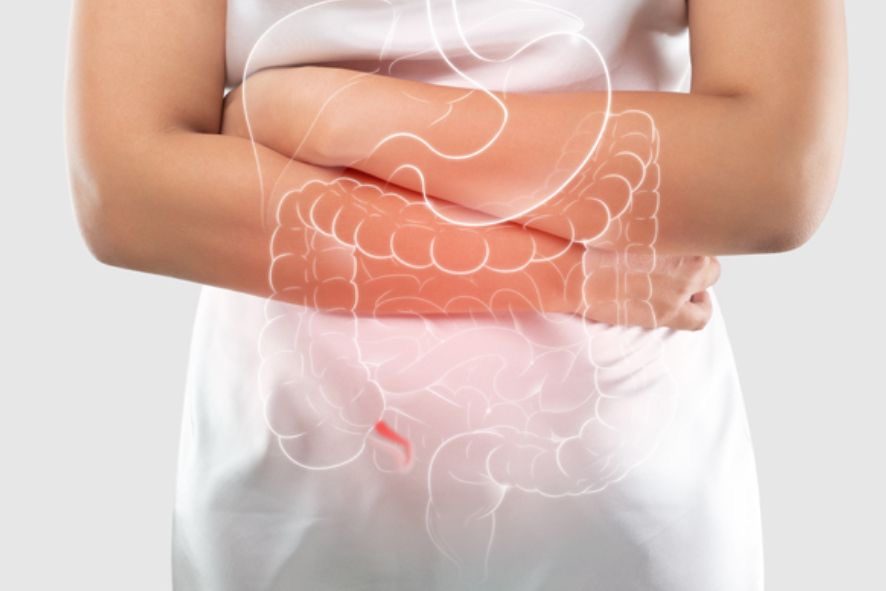
You track what you eat. You read ingredient labels. You choose organic, grass fed, clean. But digestive regularity - what your body eliminates and how efficiently it does so - is the half of the equation most wellness conversations never reach.
But when did you last think about what leaves your body?
Most wellness conversations stop at the input. What you drink, what you supplement, what you avoid. Yet the output side of digestion is just as important to your energy, your skin, your mood and your long term health. And the research on this is more compelling than most people realize.
What "Regular" Actually Means
There is a wide range of normal when it comes to bowel movements. Anywhere from three times per day to three times per week is considered within the normal range. What matters more than frequency alone is consistency, ease and the feeling of complete elimination.
Signs that your digestive system may need support include:
- Straining or difficulty during bowel movements
- Feeling like you have not fully emptied after going
- Hard, dry or pellet shaped stools
- Bloating, heaviness or discomfort between movements
- Going fewer than once per day consistently
None of these are conversations people typically have. But they should be.
What the Research Actually Shows
A landmark study published in Cell Reports Medicine in 2024 analyzed multi-omic data from more than 1,400 healthy adults and found something significant. Bowel movement frequency directly impacts the gut microbiota and is linked to diseases like chronic kidney disease and dementia. Constipation is associated with an ecosystem-wide switch from fiber fermentation and short-chain fatty acid production to more detrimental protein fermentation and toxin production.
In plain terms: when waste moves through the body too slowly, the gut microbiome shifts from producing beneficial compounds to producing harmful ones. And this shift shows up in the blood.
Researchers found that how often people have bowel movements can have a large influence on one's physiology and overall health, with differences appearing in inflammation markers, heart health, liver function and kidney function.
This is not about being obsessive over daily timing. It is about understanding that elimination is an active part of how the body maintains balance, not just a passive end result of eating.
The Gut-Detox Connection
Your liver works constantly to filter toxins, metabolic byproducts and waste from the bloodstream. Those filtered compounds are sent to the intestines for elimination. When bowel movements are infrequent or incomplete, that waste sits longer in the colon. The longer it sits, the more opportunity there is for reabsorption of compounds the body was actively trying to remove.
This is why people with sluggish digestion often report:
- Low energy and afternoon fatigue despite adequate sleep
- Skin dullness, breakouts or congestion
- Bloating that persists throughout the day
- Brain fog or difficulty concentrating
- A general feeling of heaviness or being unwell without a clear cause
These are not random symptoms. They are often signals from a body that is not eliminating efficiently.
How Gut Health Connects to Everything Else
The gut-brain axis is real. Researchers confirm that gut bacteria influence mood, focus and even anxiety levels. Clear, healthy skin is often linked to a balanced gut since reduced inflammation lowers the risk of acne, eczema and dullness.
A healthy gut microbiome is increasingly linked to metabolism, immune resilience, cognitive health and healthy aging.
The gut microbiome also plays a direct role in immune function, hormone regulation and how efficiently your body absorbs the nutrients you work so hard to put in. You can eat the cleanest diet in the world and still not fully benefit from it if your elimination system is not functioning well.
Simple Ways to Support Digestive Regularity Naturally
Before reaching for any supplement, the foundations matter most:
Hydration
Stool requires water to move efficiently through the colon. Most people are mildly dehydrated without realizing it. Aim for consistent water intake throughout the day rather than large amounts at once.
Fiber from Whole Foods
Vegetables, fruits, legumes and whole grains provide the insoluble fiber that adds bulk to stool and feeds beneficial gut bacteria. A diverse fiber intake supports a diverse microbiome.
Movement
Physical activity stimulates peristalsis, the wave-like contractions that move waste through the intestines. Even a daily walk makes a measurable difference.
Stress Management
The gut and brain are in constant communication. Chronic stress directly disrupts gut motility and microbiome balance. This connection is well established in research and often underestimated in daily life.
Consistent Meal Timing
The digestive system responds to rhythm. Eating at consistent times supports the body's natural elimination patterns.
When Gentle Natural Digestive Support Makes Sense
Sometimes lifestyle foundations are solid and the digestive system still needs occasional support. Travel, dietary changes, hormonal fluctuations and stress can all temporarily disrupt regularity even in people who generally have healthy digestion.
One specific situation worth noting: GLP-1 medications like Ozempic and Wegovy work in part by slowing gastric motility, which is why constipation and sluggish elimination are among the most commonly reported side effects. If you are currently on a GLP-1 medication, actively supporting your body's natural elimination rhythm is not optional - it is a direct response to how these medications affect digestion. Many people on GLP-1 medications find that consistent, gentle digestive support makes a meaningful difference in how they feel day to day. For a full clinical breakdown of why this happens and what to do about it, read our complete guide to digestive support on GLP-1 medications.
In these moments, a gentle botanical formula can provide the nudge the body needs without harsh chemicals, synthetic stimulants or habit forming ingredients.
Smooth Moves by Centenarius Nutrition is formulated with two time-honoured botanical ingredients: Cascara sagrada and Aloe ferox. Together they support gentle overnight regularity and the body's natural elimination processes. No synthetic additives. No harsh stimulants. Just two clean botanical ingredients working with your body's natural rhythm.

Frequently Asked Questions
How often should you have a bowel movement?
Anywhere from three times per day to three times per week is considered within the normal range. What matters most is consistency, ease and feeling of complete elimination. If you are consistently going fewer than once per day and experiencing discomfort, your digestive system may benefit from additional support.
What are signs of incomplete elimination?
Common signs include a lingering feeling of needing to go after a bowel movement, bloating that persists throughout the day, straining during bowel movements, hard or pellet shaped stools and low energy or brain fog without another clear cause.
Does gut health really affect skin?
Yes. Research consistently links gut microbiome balance to skin health. An imbalanced gut microbiome is associated with increased systemic inflammation, which can manifest as skin dullness, congestion and breakouts. Supporting elimination and gut flora balance is one of the most effective ways to support skin health from the inside.
Is it safe to use botanical laxatives occasionally?
Gentle botanical formulas used occasionally for digestive support are generally well tolerated in healthy adults. They are not intended for continuous daily use or as a replacement for the lifestyle foundations of hydration, fiber and movement. If you have a chronic digestive condition, consult your healthcare provider before use.
Can stress cause constipation?
Yes. The gut-brain axis means that chronic stress directly disrupts gut motility and microbiome balance. Many people notice that periods of high stress coincide with digestive sluggishness even when their diet and hydration are unchanged. Managing stress is one of the most overlooked aspects of supporting digestive regularity naturally.
The Bottom Line
Wellness is not just about what goes in. It is equally about what comes out, how efficiently, how completely and how consistently.
The research is clear that bowel movement frequency has measurable effects on the gut microbiome, inflammation, organ function and long term health. Supporting digestive regularity through hydration, fiber, movement and occasional gentle botanical support is one of the simplest and most foundational things you can do for your overall wellbeing.
For occasional digestive support, formulas like Smooth Moves can help support the body's natural elimination rhythm alongside hydration, fiber and movement.
Your body works hard to filter and eliminate what it no longer needs. Give it the conditions to do that job well.
These statements have not been evaluated by the Food and Drug Administration. This product is not intended to diagnose, treat, cure or prevent any disease.
Sources
- Johnson-Martinez JP, et al. Aberrant bowel movement frequencies coincide with increased microbe-derived blood metabolites associated with reduced organ function. Cell Reports Medicine. 2024.
https://www.cell.com/cell-reports-medicine/fulltext/S2666-3791(24)00360-4 - Institute for Systems Biology. Timing is everything: Study finds link between bowel movement frequency and overall health. ScienceDaily. 2024.
https://www.sciencedaily.com/releases/2024/07/240716122711.htm - Cryan JF, et al. The microbiota-gut-brain axis. Physiological Reviews. 2019.
https://pubmed.ncbi.nlm.nih.gov/31460832/ - Cleveland Clinic. Constipation: Symptoms and causes.
https://my.clevelandclinic.org/health/diseases/4059-constipation


